
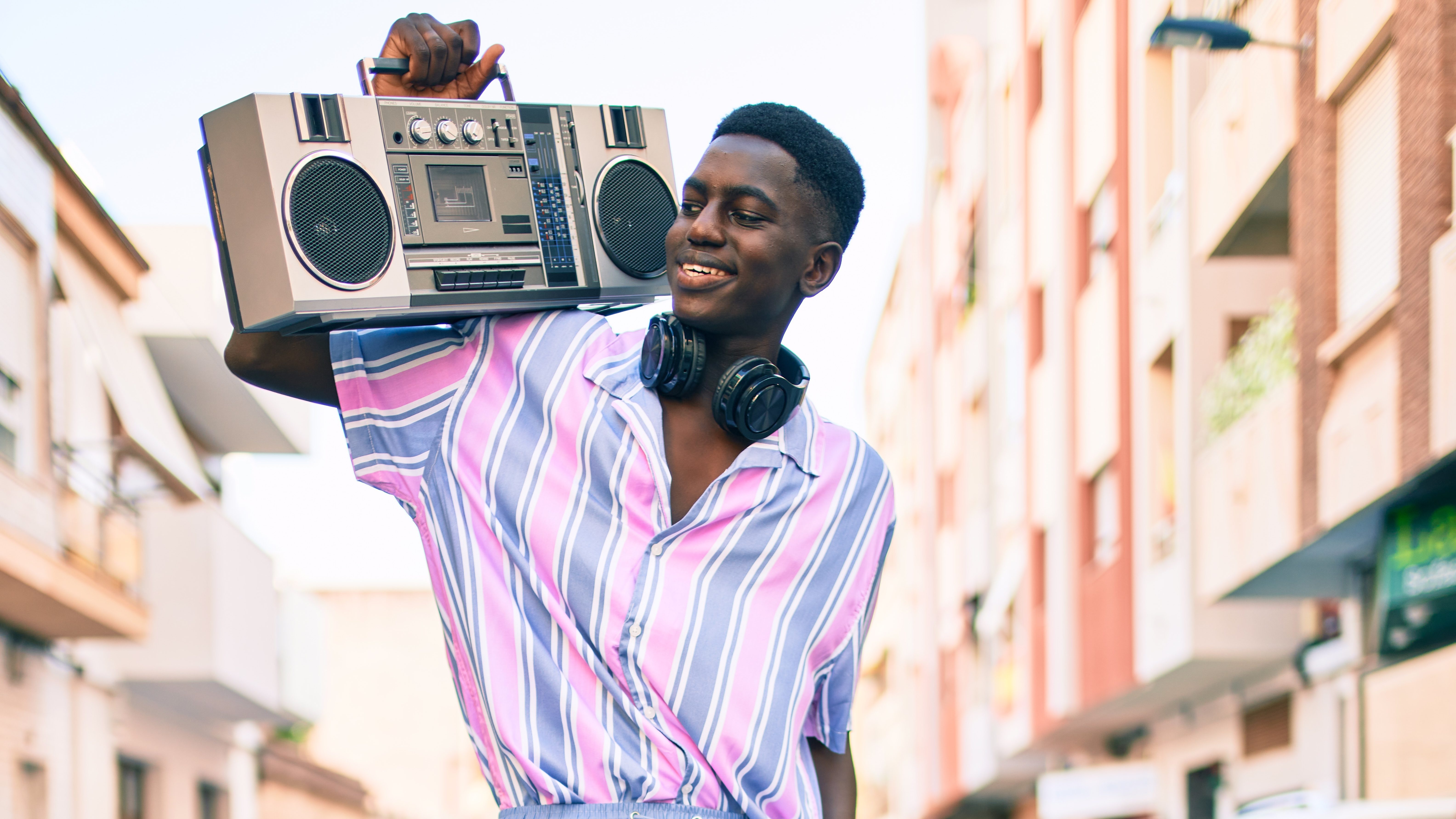
This topic draws parallels between how young we look and the amount of love and/or interest we receive. It is important to emphasize that it is how young you look (in a physical and/or visual sense), and not necessarily how young you actually are (age-wise and/or maturity-wise). In other words, a 25-year old that looks like an ideal 18-year old is more likely to receive more attention and interest for interpersonal relationship cultivation than a 24-year old that looks like an ideal 32-year old – all things being equal.
Humans have an inherent bias toward beauty (Natural Tendency towards Beauty in Humans: Evidence from Binocular Rivalry), at-least initially. Visual beauty is the first thing we perceive and weigh when we meet new people, before we decide the level of interest we have in fostering a relationship – after we become exposed to their personality, level of education, etc. That being said, it is also important to point out that beauty tends to be in youth (Is Our Perception of Beauty Forever Tied to Youth? and Using Youth and Beauty to Get What You Want) – all things being equal. While this might sound upsetting to some people, there is actual truth to this. Isn’t this why most people, on average, want to look younger? of-course, in their quest to look younger, they would not necessarily be hoping to look like a 2-year old, because that sort of young beauty is also associated with restrictions from being able to do certain things because you are perceived as not being fully developed (in other words, a minor).
Some might argue that the reason why there is a strong desire to help young (especially very young people) is simply because we perceive them as helpless, but if this is the only reason, then why would we be likely more willing to help an 9-year old who urinates on themselves as opposed to a 95-year old who does the exact same? Ideally, the 9-year old should be less helpless than the 95-year old.
The younger you look, the more desirous people become concerning caring for and/or supporting you, whereas, the older you look, the less desirous people become concerning caring for and/or supporting you. In a similar manner, the younger you are, the lesser your interest to love and care for others, whereas, the older you become, the more your interest to love and care for others – but this is for another topic. Ever wondered what would happen if new born babies had the faces and/or structure of 60+ year olds? Well, I can hypothesize what might happen; people would likely not really feel the desire to be with and/or care for them – in the way they would with how babies look, right now.
As you gradually lose your youthful beauty (normally with age), people’s unconscious bias for you and their interest in knowing you gradually declines and they start to weigh other factors such as culture, religion, level of education, political opinions, socio-economic situations, their perception of your helplessness, etc., as determining factors concerning if they should move ahead with fostering a relationship with you or not.
With reference to all the topics discussed, above, I have always believed that the best time to build a strong social circle and/or community would be in one’s youth because this is the period when most people have the highest likelihood of being interested – because of the subconscious bias that they have to youthful beauty. Sadly, a lot of youthfuls do not exercise these social muscles to establish very tangible relationships, and they eventually enter their mid- to late-adulthood phase with little to no substantial community.
Are you youthful-looking? Have you been able to take advantage of your youthful beauty? Do you think there is more concerning this topic?
Be the first to know about any content published on this blog-site by subscribing at the bottom of this page!

 Experiences of journeying humans
Gettin old huh? Don’t worry, you are still a spry chicken in my eyes.
Here’s a question for you: To what degree do you think mannerisms play a role in this phenomenon? Of course, if all you have is a photograph of somebody then you will judge them based on their appearance but I think that the way a person acts and how they carry themselves can change how old they look by a lot.
LikeLiked by 1 person
Hey, Zachary. That’s a very good question. Mannerisms (behavioral patterns) are an aspect of the person’s soul and, eventually, form a critical aspect or determining factor of the person’s overall attractiveness and/or perceived age (especially for older-looking folk). to ensure I am properly responding to it, I would respond from 2 POVs:
Physically younger-looking POV: For physically younger-looking folk, their mannerisms have a lesser effect on your perception of their age. It, however, has a higher effect on your degree of attractiveness to the person. If they have poor mannerisms, while you might still perceive them as young or not too old, agewise, you might not feel the desire to build a relationship with them. You might not be attracted to them.
Physically older-looking POV: For physically older-looking folk, their mannerisms can greatly affect both the age perception you have of them, as well as their overall attractiveness. If they are energetic, excitable and jumpy, it might cause you to perceive them as younger, and also more attractive. If they aren’t jumpy but have a welcoming or kind personality, you might not necessarily perceive them as younger, agewise, but your degree of attraction to them might be higher. If their mannerisms are overall poor, then you might find that their perceived age an actual age might not be so different or you might even perceive them as older than they are – and also unattractive.
PS: I’d hope to always be the spry chicken in your eyes 🙂
LikeLike